
Disconnected from the Noise: Why the Giri Ganga Trek is Himachal’s Best-Kept Secret
There is a point during a mountain journey where the ambient hum of modern civilization completely dissolves. The distant drone of highway traffic fades, the persistent ping of smartphone notifications vanishes into a zone of zero network connectivity, and the internal chatter of daily stresses falls quiet. When that moment hits, the true spirit of the Himalayas takes over.
For those who feel the weight of constant routine, the only real remedy is to pack a camera bag, lace up a reliable pair of hiking boots, and seek out a trail that leads directly into the untouched wild. My recent journey to the Giri Ganga Trek in Himachal Pradesh was exactly that—a profound, revitalizing escape to disconnect from the modern noise and completely reconnect with the raw rhythm of nature.
While popular destinations in Himachal face the growing pressures of commercialization, the Giri Ganga trail remains a remarkably pristine sanctuary. Hidden within the emerald folds of the Shimla district, near the quiet, high-altitude ridge settlement of Khadapathar, this destination offers an authentic trek that trades crowded selfie points and souvenir stalls for deep forest silence and ancient spiritual roots. If you are searching for an offbeat adventure that restores both your creative energy and peace of mind, this trail deserves a spot at the very top of your travel itinerary.
The Gateway: Starting the Journey from Khadapathar
Every great Himalayan adventure begins with a transition, and the journey to Giri Ganga is no exception. The base camp for this trek is Khadapathar, a small, tranquil hill station located approximately 75 kilometers from the bustling state capital of Shimla. The drive from Shimla to Khadapathar is a visual treat in itself—a three-hour journey navigating winding mountain roads that snake past steep valleys, dramatic cliffs, and endless rows of manicured apple orchards for which the Pabbar Valley region is famous.
As you leave behind the commercial core of Shimla, the air grows noticeably cooler and carries a distinct sharpness. Khadapathar, perched at an altitude of roughly 8,750 feet, welcomes travelers with its slow, uncomplicated pace of life. It serves as the perfect staging ground to pause, acclimatize, and prepare for the hike ahead.
+--------------------------------------------------------------------------+
|                            TREK AT A GLANCE                              |
+--------------------------------------------------------------------------+
|  Starting Point      : Khadapathar (Shimla District, HP)                 |
|  Total Trail Length  : ~5 Kilometers (One-way)                           |
|  Maximum Altitude    : Approx. 9,200 Feet above sea level                |
|  Difficulty Rating   : Easy to Moderate (Perfect for all skill levels)   |
|  Primary Highlights  : Deodar forest canopies, Giri River source,        |
|                        and the ancient stone temple complex              |
+--------------------------------------------------------------------------+
The trail kicks off right from the main ridge of Khadapathar. From the very first step on the unpaved dirt path, the route sets a very specific tone: it promises to test your legs just enough to make you earn the final view, but it never pushes you to the brink of sheer physical exhaustion. It balances perfectly on the line between an accessible nature walk and an authentic wilderness trek, making it uniquely approachable for beginner hikers, families, and seasoned trekkers alike.
Walking Through Living Greenery: The Forest Corridor
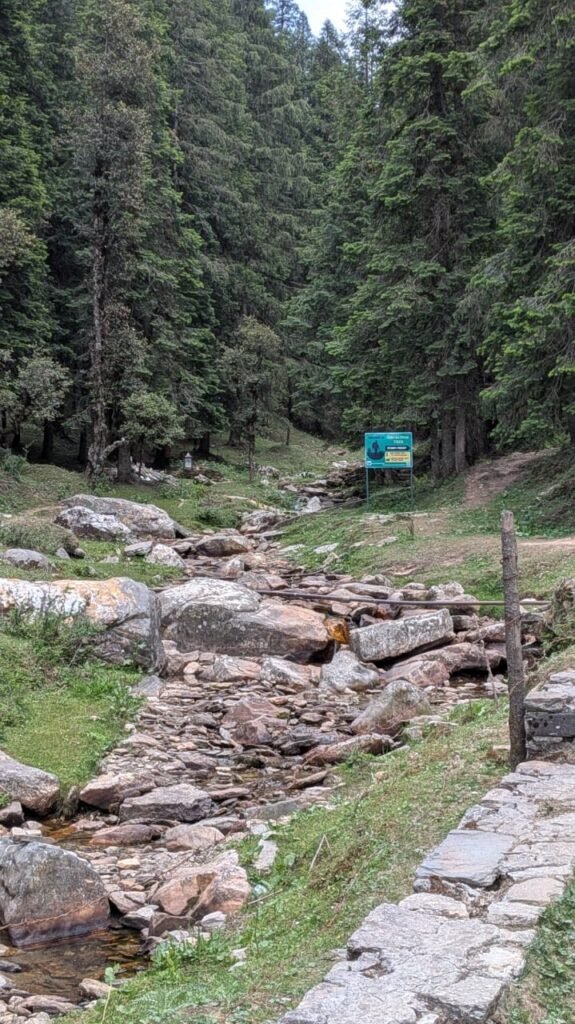
The moment you leave the immediate vicinity of the Khadapathar ridge and enter the trail proper, the modern world is instantly cut off. It is as if you have walked through an invisible door into a completely different realm. The sky disappears, replaced by an incredibly dense, ancient canopy dominated by towering deodars (Cedrus deodara), majestic blue pines, and old-growth Himalayan oaks.
The forest here feels alive, breathing a heavy, intoxicating scent of damp earth, wild moss, and sweet pine resin into the crisp mountain air. Sunlight struggle to pierce through the thick, interwoven branches overhead, resulting in scattered, shifting shafts of golden light that illuminate the forest floor. These sunbeams catch wild ferns, patches of emerald-green moss, and smooth, weather-worn stones, creating a visual tapestry that looks less like a standard trekking route and more like an illustration from a classic storybook.
As you walk deeper along the path, you begin to experience what naturalists call forest immersion. Without the artificial distractions of urban life, your senses naturally heighten. You become acutely aware of the crunch of dry pine needles beneath your hiking boots, the rhythmic hum of forest insects, and the sharp, occasional calls of native Himalayan birds echoing through the high canopy. The trail follows a gentle, undulating incline, tracking along the spine of the hills. Every curve in the path reveals a new perspective of the dense woods, offering nature photographers endless opportunities to capture the moody, atmospheric interplay of light, shadow, and deep green foliage.
A Sacred Sanctuary: The Heart of Giri Ganga
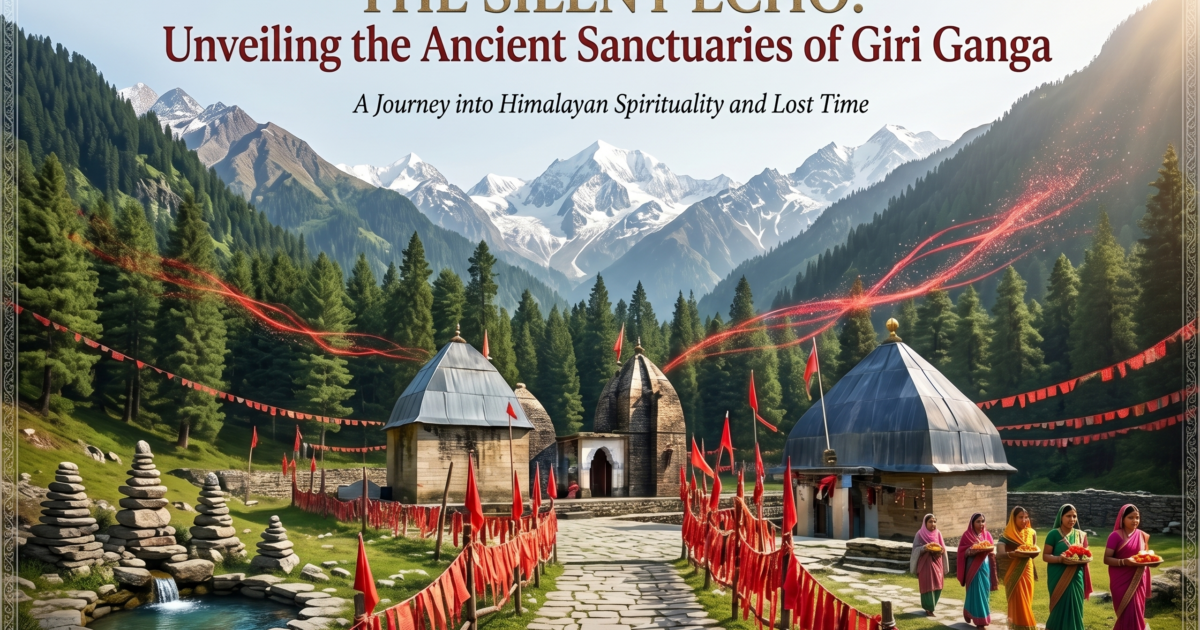
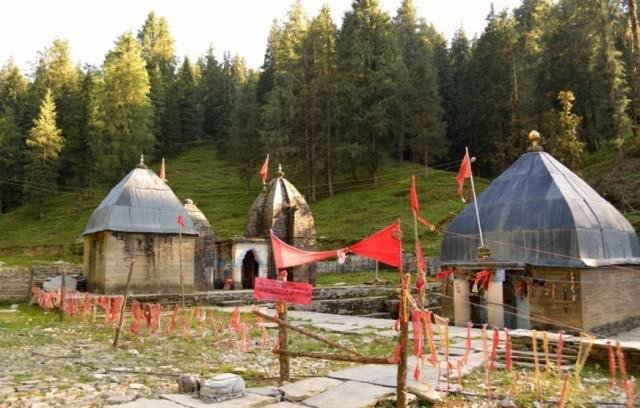
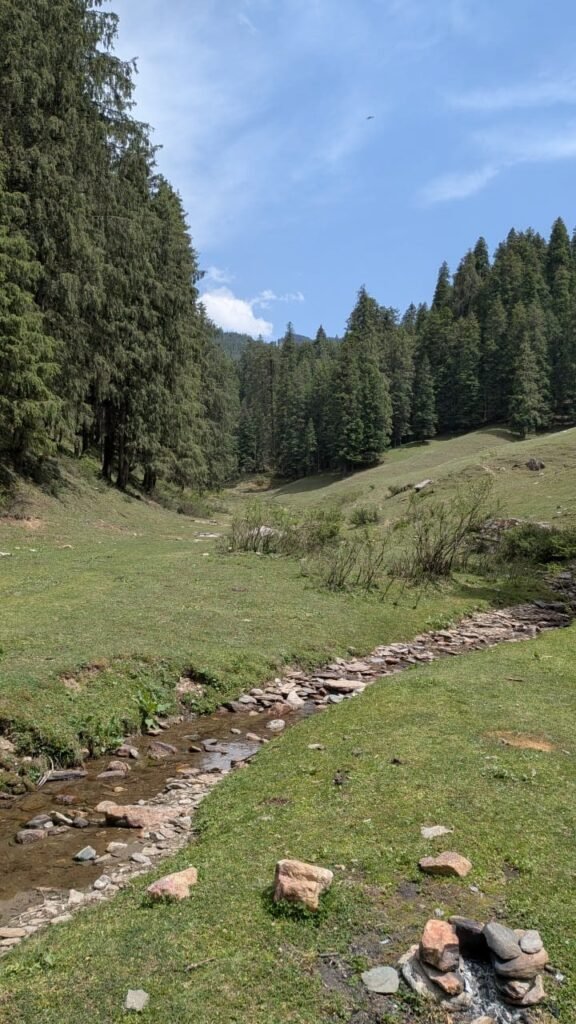
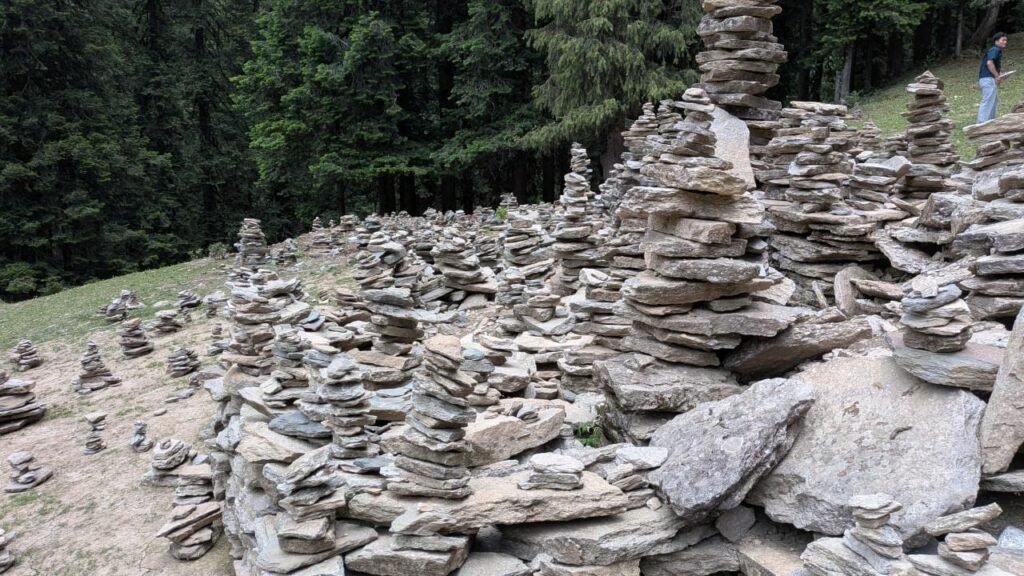
After covering approximately five kilometers of winding forest trails, the dense wall of deodars suddenly opens up to reveal a magnificent alpine meadow tucked quietly into a hidden valley. This dramatic shift in scenery marks your arrival at the heart of the journey: the ancient Giri Ganga Temple Complex.
Steeped in rich local mythology, folklore, and spiritual history, this secluded clearing holds a sacred position in the hearts of the residents of the Jubbal and Rohru valleys. According to local legend, the site is directly tied to the sage Vyasa. The legend says that while traveling through these mountains, a small amount of sacred water from the Ganges River accidentally spilled from his vessel at this exact location. Miraculously, a pure, crystal-clear spring burst forth from the earth, giving life to what is now known as the Giri River, an essential water source that sustains countless communities downstream.
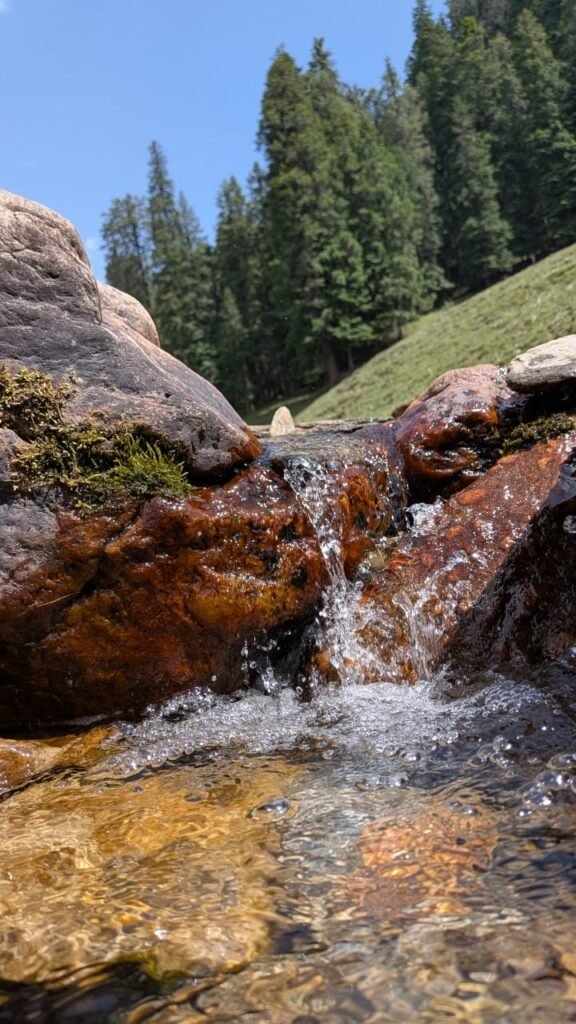
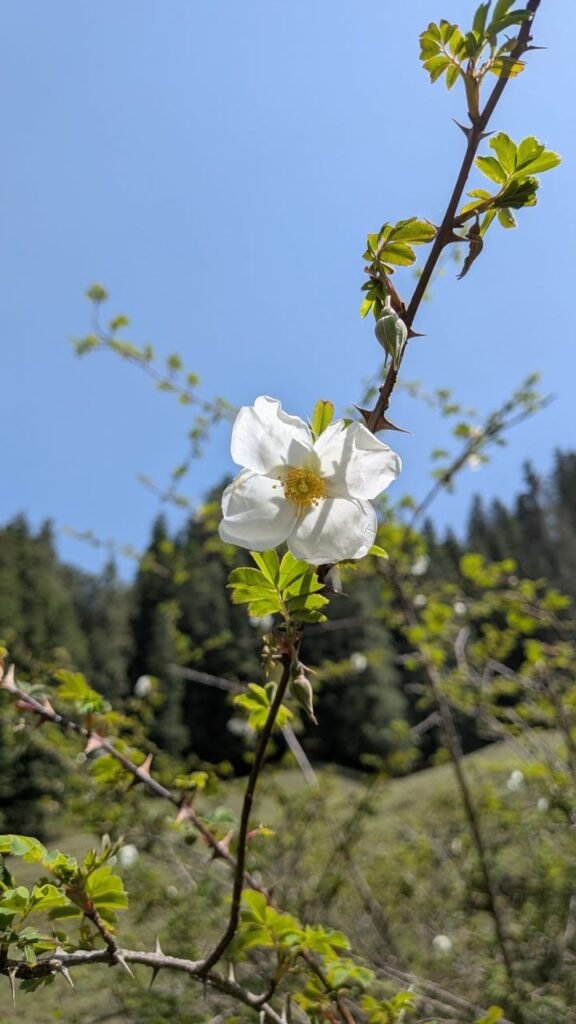
The temple complex itself is a stunning display of traditional hill architecture. It features a collection of three primary stone structures, heavily influenced by classical Himalayan design principles. Built using local stone and reinforced with heavy, weathered timber, these structures are accented by intricate, hand-carved wooden panels that depict geometric patterns and traditional motifs. The architecture feels like a natural extension of the landscape, completely integrated into the surrounding rocks and trees rather than built over them.
At the center of this architectural sanctuary sits a beautifully constructed stone kund (a square, stepped water tank) that collects the pure, icy water bubbling up directly from the river’s sacred mountain source. Sitting quietly on the smooth stone steps of this tank is an experience that defies simple description. As you listen to the steady, melodic murmur of the fresh stream water and the occasional, clear chime of a brass temple bell carried on the wind, a deep sense of stillness settles over you. It is a rare space of absolute tranquility—the kind of environment that forces you to pause, drop your shoulders, take a deep, grounding breath, and simply exist entirely in the present moment.
Essential Travel Intelligence for Your Website Readers
To ensure the readers of terimerinews.com can recreate this incredible journey seamlessly, here is a breakdown of the essential practical details required to plan a successful trip to the Giri Ganga Trek.
1. Optimal Timing and Seasonal Variations
While the trek can technically be accessed for a large portion of the year, the experience changes drastically with the seasons:
- The Spring and Summer Months (April to June): This is widely considered the ideal window for casual trekkers and families. The weather is pleasant, daytime temperatures range between a comfortable 15°C and 22°C, and the trail is completely clear of obstruction. The forest is vibrant green and alive with activity.
- The Monsoon Season (July to September): The region receives heavy rainfall, which transforms the entire valley into an intensely lush landscape. However, the dirt trail turns muddy and slick, and the winding roads leading to Khadapathar become highly prone to sudden landslides. This season is best reserved for experienced trekkers who travel with specialized gear.
- The Autumn Window (October to November): A spectacular time for photographers. The monsoon clouds clear entirely, giving way to crisp, perfectly clear blue skies and crisp mountain air. The foliage begins to turn to shades of amber and gold, making the forest walk visually striking.
- The Winter Season (December to March): For those seeking a dramatic snow trekking experience, the winter months turn Giri Ganga into a quiet, snow-covered wonderland. The trail accumulates significant snowfall, requiring proper winter layers and heavy-duty trekking footwear.
2. Logistics, Transport, and Route Connectivity
Reaching the base camp at Khadapathar is straightforward:
- By Air: The closest airport is the Shimla Airport located at Jubbarhatti, roughly 95 kilometers away from the base. Alternatively, travelers can fly into Chandigarh International Airport, which offers much broader flight connectivity, and arrange a scenic five-to-six-hour private cab drive up to Khadapathar.
- By Rail: The famous Kalka-Shimla Toy Train—a recognized UNESCO World Heritage Site—offers an unforgettable, slow-paced journey through the mountains up to Shimla. From the Shimla railway station, travelers can easily board a direct local bus operated by the HRTC (Himachal Road Transport Corporation) heading towards Rohru or Jubbal, making a stop at Khadapathar.
- By Road: For those driving private vehicles or riding motorcycles, the route follows the well-maintained National Highway 705 (NH-705) out of Shimla, passing through the key junctions of Theog and Kotkhai before reaching the ridge at Khadapathar.
3. Preparation, Gear, and Responsible Travel Habits
Because Giri Ganga is an authentic, offbeat trail without heavy commercial development, proper self-reliance is absolutely essential:
- Footwear Requirements: Do not attempt this trail in flat-soled casual shoes or sandals. It is highly recommended to wear dedicated hiking shoes or trail-running trainers that feature a deep, aggressive tread pattern to maintain solid grip on sections of loose gravel and wet loam.
- Hydration and Nutrition: There are no commercial cafes, tea stalls, or shops operating along the five-kilometer forest trail or at the temple clearing. Travelers must pack an adequate supply of drinking water and lightweight, high-energy snacks (like nuts, energy bars, or fresh fruit) to stay sustained during the day.
- Strict Leave-No-Trace Principles: Because this forest and its water source are considered sacred by the local communities, environmental preservation is paramount. It is our absolute responsibility as travelers to ensure that every single piece of plastic wrappers, water bottles, and trash is carefully packed back out of the forest and disposed of in designated municipal bins down at Khadapathar. Let’s keep this sanctuary completely pristine for future generations.
Final Thoughts: The Value of the Unbeaten Path
In an age where travel is often rushed, reduced to quick checklists and curated social media uploads, destinations like the Giri Ganga Trek offer a valuable alternative. This trail doesn’t demand speed, nor does it cater to those seeking loud entertainment or luxury amenities. Instead, it offers something much more valuable: an authentic, undisturbed encounter with the quiet majesty of the Himalayas.
==========================================================================
                      MEMORANDUM FOR THE MODERN TRAVELER

   "We do not climb mountains merely to stand on their peaks, but to
    discover what parts of ourselves we left behind in the quiet valleys."
==========================================================================
The walk through the deodar canopy fixes your focus, the gentle physical challenge re-energizes your body, and the deep, spiritual silence of the ancient stone temple complex clears the mind. It is a journey that reminds us of the profound value of slowing down, stepping away from the noise, and immersing ourselves in the natural world.
If you are planning your next trip into the mountains of North India and want to experience an authentic, spiritual side of Himachal Pradesh, make sure to add the Giri Ganga Trek to your itinerary. Your soul will undoubtedly thank you for it.
For more exclusive, offbeat travel guides, hidden destination reviews, and authentic cultural stories from across India, stay tuned to terimerinews.com.