
Introduction to AI in the Workforce
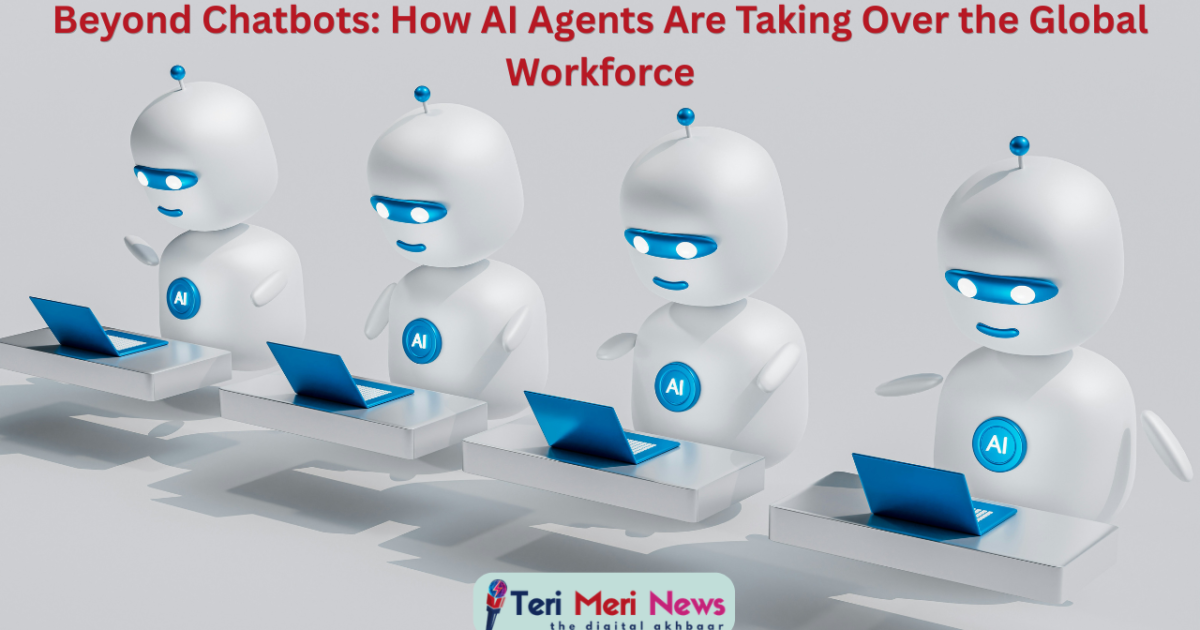
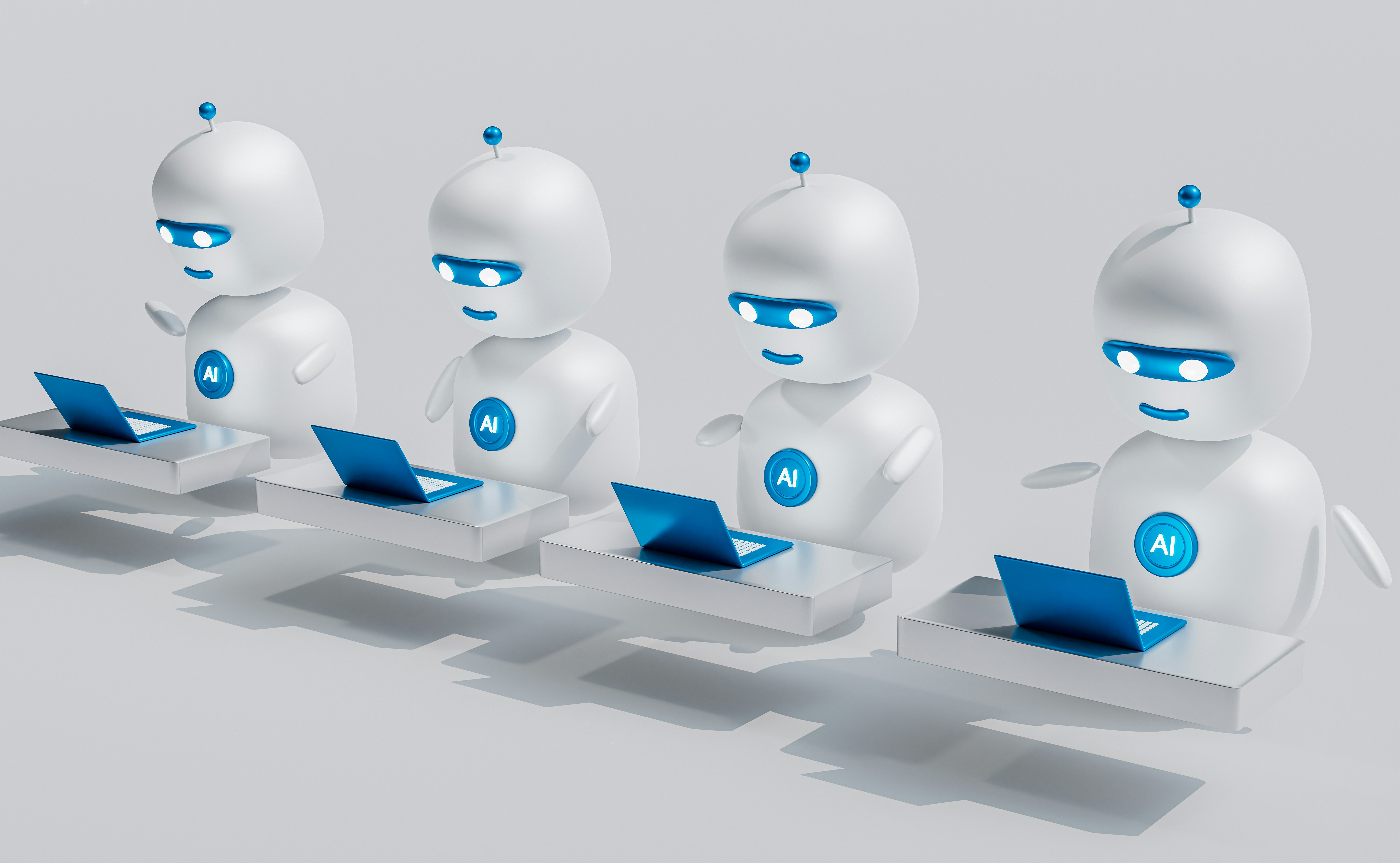
The rise of the AI agents workforce is reshaping how work gets done. In recent years, the landscape of the workforce has undergone a significant transformation due to advancements in artificial intelligence (AI). This evolution has brought forth a new generation of AI technologies, particularly in the form of AI agents, which are designed to perform tasks traditionally carried out by humans. Unlike basic chatbots that are limited by pre-defined scripts and often struggle with complex queries, these sophisticated AI agents leverage machine learning and natural language processing capabilities to provide more dynamic and intelligent interactions.
The emergence of AI agents signifies a shift away from simplistic automated responses towards a more integrated approach, where these agents can handle a variety of tasks from customer support to data analysis and decision-making processes. This development is crucial as more organizations seek to enhance efficiency, reduce operational costs, and improve overall service delivery. For example, while chatbots can answer frequently asked questions, AI agents can also analyze customer behavior, predict needs, and tailor responses to individual preferences.
As industries continue to adopt AI technologies, the importance of these agents becomes even more pronounced. The deployment of AI solutions is not merely about automation but also about augmenting human capabilities. AI agents can work alongside employees, providing them with insights and recommendations that enhance productivity and decision-making. This collaborative environment fosters innovation and creates opportunities for human workers to focus on higher-level tasks that require critical thinking and creativity.
As we delve deeper into the implications of AI agents in the global workforce, it is paramount to acknowledge the balance that must be struck between technology and human expertise. In this discussion, we will explore the various ways AI is revolutionizing industries and the critical considerations organizations must keep in mind.
Understanding Chatbots vs. AI Agents
In the evolving landscape of artificial intelligence, the terms “chatbots” and “AI agents” are frequently used, yet they signify distinct types of technology. Chatbots are primarily rule-based systems designed to facilitate simple, transactional conversations. They operate according to predefined scripts and are mainly useful for handling straightforward queries or tasks. For instance, customer service chatbots can assist users with frequently asked questions, provide information about services, or help with booking appointments. Their capabilities are typically limited to responding to specific inputs and require no learning capability.
In contrast, AI agents represent a more advanced spectrum of technology. These agents utilize machine learning algorithms, natural language processing, and deep learning to understand, learn, and execute a broader range of tasks beyond mere conversation. AI agents are capable of context recognition, enabling them to handle complex interactions and adapt to new information over time. For example, virtual assistants like Siri or Alexa can manage tasks such as setting reminders, answering questions, and controlling smart home devices, offering a more personalized experience. This capacity for learning and adapting differentiates AI agents from traditional chatbots.
The significant difference lies in their operational depth and flexibility. While chatbots can efficiently manage repetitive tasks with limited scope, AI agents excel in environments where ongoing learning and multi-faceted problem-solving are essential. As businesses seek to enhance customer engagement and operational efficiency, the transition from chatbots to AI agents is becoming increasingly evident. In summary, understanding these differences helps organizations choose the right technology solution based on their specific needs and objectives.
The Development of ‘Doing’ AI Technologies
The evolution of ‘doing’ AI technologies has marked a significant transformation in the global workforce, particularly with the rise of AI agents and chatbots. These intelligent systems have progressed from simple automation tools to sophisticated entities capable of performing complex tasks across various sectors. One of the foremost advancements in this domain is machine learning, which enables machines to learn from data and improve their performance over time. By utilizing vast datasets, AI agents can identify patterns and make predictions, which is essential in decision-making processes and operational efficiency.
Moreover, natural language processing (NLP) has revolutionized human-computer interaction, allowing AI agents and chatbots to understand and respond to human language accurately. This capability has enhanced the user experience significantly; AI agents can now engage in meaningful conversations, resolve queries, and provide personalized recommendations based on user preferences. NLP is not just limited to understanding text but also includes speech recognition and sentiment analysis, making chatbots more versatile in handling customer interactions.
Robotics is another key contributor to the development of ‘doing’ AI technologies. In industries like manufacturing and logistics, AI agents have been integrated into robots, enabling them to perform tasks ranging from assembly line work to inventory management. These robots, equipped with AI algorithms, can adjust to environmental changes, perform quality checks, and even interact with human workers, enhancing productivity and safety.
As we look toward the future, it becomes clear that the integration of machine learning, natural language processing, and robotics will only get deeper, providing AI agents with the capability to take on even more complex roles that were once reserved for humans. This progression signals a shift in how we perceive work and productivity in the modern economy, pointing towards a future where AI agents and human workers collaborate seamlessly.
AI Agents in Various Industries
AI agents are increasingly becoming pivotal across a multitude of industries, significantly transforming operations and enhancing efficiency. In healthcare, AI agents are utilized for predictive analytics, helping medical professionals diagnose conditions earlier and more accurately. For example, AI systems analyze patient data to identify risk factors, suggesting personalized treatment plans and improving patient outcomes.
Similarly, in the finance sector, AI agents are employed for fraud detection and risk management. By analyzing vast amounts of transactional data in real-time, these intelligent systems can identify anomalies that suggest fraudulent activities. Moreover, AI chatbots in banking facilitate seamless customer service, resolving queries and processing transactions swiftly without human intervention, thereby increasing operational efficiency.
Manufacturing is another arena where AI agents have made significant strides. Through the integration of AI-driven robots and automation systems, manufacturers are able to enhance production rates while reducing errors. These AI agents not only monitor machinery for maintenance issues but can also predict failures before they occur, dramatically decreasing downtime and maintenance costs.
Additionally, in customer service, AI chatbots have revolutionized the way businesses interact with their clients. These automated agents provide instant responses to common inquiries, allowing human agents to focus on more complex problems. Furthermore, AI’s ability to learn from interactions helps improve the quality of service over time, resulting in higher customer satisfaction and loyalty.
Across these sectors, the deployment of AI agents signifies a leap towards a more productive and efficient future, showcasing their versatility and potential to reshape the workforce dynamics in profound ways.
The Shift in Workforce Dynamics
The integration of AI agents into the global workforce marks a significant shift in dynamics, reshaping industries and redefining job roles. As organizations adopt these advanced technologies, they are beginning to realize the potential of AI-powered systems to enhance productivity, manage routine tasks, and improve customer interactions. The emergence of AI agents, such as advanced chatbots, is not just about automation; they are transforming the workplace while creating new opportunities and challenges for employees.
One of the most notable changes is the evolution of job roles. Traditional positions are being supplemented or entirely replaced by AI agents capable of performing tasks more efficiently than human counterparts. For instance, in customer support, chatbots can handle inquiries round the clock, allowing human employees to focus on complex issues that require creative problem-solving and emotional intelligence. This shift does not eliminate jobs; rather, it necessitates a re-evaluation of existing roles and responsibilities, emphasizing the collaboration between human workers and AI technology.
Furthermore, the rise of AI agents underscores the need for new skills within the workforce. As employers increasingly seek candidates who can work alongside these technologies, there is a growing demand for individuals proficient in data analysis, programming, and AI-related skills. Employees must also cultivate soft skills, such as adaptability and communication, to effectively engage with AI systems and leverage their capabilities. The workforce must invest in reskilling and upskilling strategies to remain relevant in an AI-driven environment, ensuring a seamless integration of human intelligence and artificial capabilities.
In conclusion, as AI agents continue to evolve, their impact on workforce dynamics highlights the necessity for organizations and individuals to adapt. Embracing these changes, while simultaneously addressing the challenges they present, is essential for a productive and future-ready workforce.
Ethical Considerations and Challenges
The rapid advancement of AI agents, including sophisticated chatbots, has sparked a myriad of ethical concerns that need careful examination. One of the most pressing issues is job displacement. As AI technologies become more capable, particularly in routine and repetitive tasks, many workers find their roles at risk. This trend raises vital questions regarding our workforce’s future, potentially leading to economic inequality and necessitating discussions on retraining and upskilling displaced workers to ensure they can adapt to the new employment landscape.
Privacy is another significant concern associated with the deployment of AI agents. These systems often require vast amounts of data for training and efficiency, raising questions about how personal information is collected, stored, and utilized. Individuals may feel a loss of control over their data when interacting with AI, especially in sectors like healthcare and finance, where sensitive information is involved. Establishing transparent protocols for data handling and integrating robust security measures are essential steps toward addressing these privacy issues.
Furthermore, bias in AI decision-making poses a substantial ethical challenge. AI agents, including chatbots, learn from historical data that may reflect societal biases. Consequently, there is a risk that AI tools could perpetuate or even exacerbate discrimination in hiring or customer service processes. To combat this, it is crucial to implement fairness audits and continuous monitoring of AI systems to identify and rectify biased outcomes.
Finally, regulation emerges as a pivotal aspect of responsibly integrating AI agents into the workforce. Policymakers must formulate guidelines that ensure ethical deployment and usage of these technologies, promoting accountability among developers and users. Harnessing the benefits of AI agents while safeguarding ethical standards will require a collaborative effort across various stakeholders.
The Future of Work with AI Agents
The landscape of work is evolving rapidly, primarily due to advancements in artificial intelligence (AI) and the integration of AI agents into the workforce. As organizations increasingly adopt these intelligent tools, the future of work is being reshaped in profound ways. AI agents and chatbots are not just augmenting existing roles; they are creating new job opportunities while also transforming current job functions. Predictions suggest that by 2030, a significant portion of routine tasks will be managed by AI agents, leading to a greater emphasis on roles requiring human creativity, emotional intelligence, and strategic thinking.
Furthermore, as AI technology becomes more sophisticated, it is anticipated that AI agents will evolve beyond simple task execution. These systems will likely engage in complex decision-making processes, providing valuable insights that can support human workers. For instance, AI agents may assist in predictive analytics, customer service improvement, and operational efficiencies, offering companies a competitive edge in their respective industries. Consequently, businesses need to proactively prepare for this transition by investing in training programs to upskill their workforce in collaboration with AI.
Another important aspect of this shift involves rethinking organizational structures. As AI agents take on more responsibilities, traditional hierarchies may flatten, encouraging a more collaborative and flexible work environment. This evolution calls for leaders to embrace a mindset shift, recognizing the potential of AI agents as partners rather than mere tools. To foster a harmonious coexistence of human workers and AI technology, organizations should promote a culture of continuous learning and adaptability, ensuring their workforce is equipped to thrive in a technologically advanced environment.
Real-Life Examples of AI Agents in Action
In various sectors, organizations have successfully implemented AI agents, resulting in significant operational improvements and enhanced customer satisfaction. One notable example is that of Sephora, a global leader in the beauty industry. The company launched a chatbot that aids customers in selecting products based on their preferences and past purchases. This AI agent not only provides personalized recommendations but also assists with booking makeup tutorials. The result has been a 25% increase in conversion rates, showcasing how tailored customer experiences can significantly boost sales.
Another prominent case is Bank of America, which introduced the AI agent named Erica. This virtual assistant helps clients manage their finances by providing budget tracking, transaction alerts, and bill reminders through its mobile app. As a result of implementing Erica, Bank of America reported an increase in user engagement and a notable rise in customer satisfaction scores, reflecting the effectiveness of AI-driven solutions in enhancing service delivery.
Additionally, the healthcare sector has also seen the benefits of AI agents. A healthcare provider, Babylon Health, developed an AI-driven chatbot that assists patients in assessing symptoms and managing appointments. By leveraging this technology, Babylon Health has significantly reduced wait times while enhancing access to healthcare. Patients can receive preliminary assessments, leading to more efficient care pathways and reduced pressure on medical staff.
These examples illustrate not only the potential of AI agents and chatbots in various industries, but also the best practices that can be adopted for successful implementation. Organizations focusing on customer-centric solutions, while ensuring continuous learning and adaptation of their AI agents, can achieve remarkable results and improve operational efficiencies.
Conclusion: Embracing the AI Revolution
As we have explored throughout this discussion, AI agents and chatbots are not merely technological novelties; they represent a fundamental shift in the way businesses operate and deliver services. These intelligent systems are capable of automating processes, enhancing customer engagement, and improving decision-making efficiency, which ultimately drives productivity across various industries. The rise of AI agents marks a pivotal moment in the workforce, where human capabilities can be augmented by machine intelligence, leading to innovative solutions that have the potential to redefine competitive advantage.
Moreover, the integration of AI agents into organizational frameworks brings numerous benefits. From streamlining operations to providing 24/7 customer assistance, these systems adapt and learn, allowing businesses to respond swiftly to changing market demands. The scalability they offer enables companies to manage varying workloads without the corresponding increase in manpower, resulting in significant cost savings and improved operational efficiency.
However, embracing AI agents requires a strategic approach. Organizations must foster a culture of innovation and be open to adapting their processes to incorporate these agents seamlessly. Employees should be trained to work alongside AI technologies, ensuring that the workforce is equipped with the necessary skills to collaborate effectively with chatbots and other AI-driven solutions. Furthermore, ethical considerations are paramount, as businesses should strive to implement AI in a manner that promotes transparency, accountability, and fairness.
In conclusion, the potential of AI agents to transform the global workforce is evident. By recognizing their value and integrating them thoughtfully, businesses can unlock new avenues for growth and innovation. The future of work is not about replacing humans with machines but rather empowering individuals with tools that enhance their capabilities, ultimately leading to a more efficient and innovative work environment.