

Introduction to India’s Digital Rupee
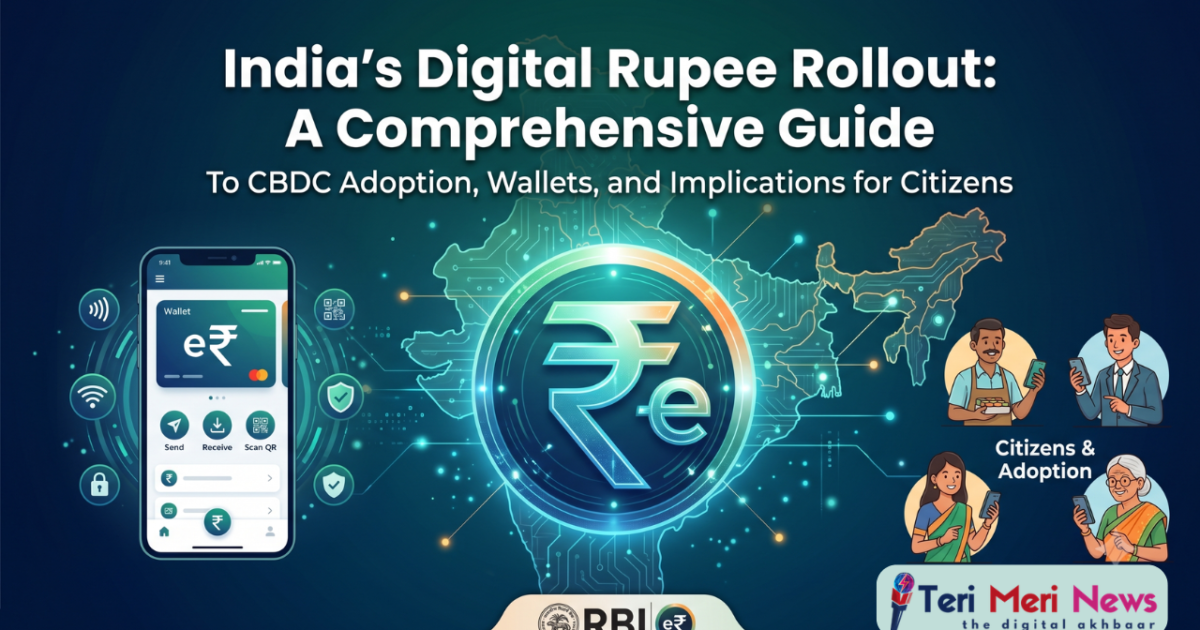
India’s digital rupee rollout marks a defining moment for the country’s financial system. The introduction of the digital rupee, also referred to as the Central Bank Digital Currency (CBDC) in India, represents a significant stride toward modernizing the financial ecosystem in the country. As the Reserve Bank of India (RBI) embraces this technological shift, the digital rupee aims to enhance the existing monetary framework, enabling smoother and more efficient transactions.
Essentially, the digital rupee is a digital representation of the Indian rupee, issued and regulated by the RBI. Unlike cryptocurrencies, which operate on decentralized networks, the digital rupee will function within a regulated framework, ensuring stability and trust. This aligns with global trends, as many central banks are exploring or implementing their own digital currencies to adapt to the changing landscape of financial transactions.
The primary objectives of the digital rupee initiative include improving payment systems, enhancing financial inclusion, and making economic transactions easier and safer for citizens. With the increasing penetration of digital wallets and mobile technologies in India, the digital rupee is expected to facilitate real-time payment settlements, reducing reliance on cash and traditional banking methods.
Furthermore, the digital rupee will support India’s broader goals of digital transformation. By promoting a cashless economy, it can drive more efficient fiscal policy and strengthen the overall financial structure of the country. As individuals increasingly embrace digital technology in their daily lives, a digital rupee can provide seamless integration with existing digital wallets, enhancing accessibility for users while ensuring secure transactions.
In conclusion, the digital rupee signifies an evolution in India’s approach to currency and financial services, reflecting an overarching commitment to innovation and inclusivity in the digital landscape. As this initiative unfolds, it will undoubtedly play a crucial role in shaping the future of financial transactions in India.
Understanding CBDCs: Key Features and Benefits
Central Bank Digital Currencies (CBDCs) represent a significant paradigm shift in the way money is perceived and used in modern economies. The digital rupee, often referred to as the RBI digital currency, aims to combine the benefits of digital technology with the stability of traditional fiat currency. One of the main features of the digital rupee is its emphasis on security, which is paramount in any financial transaction. Unlike cryptocurrencies, the digital rupee is regulated and issued by the Reserve Bank of India, ensuring that all transactions are secure and authenticated without the risks associated with typical digital currencies.
Another key characteristic of the digital rupee is its potential for streamlined digitalization of currency. This transition means that physical banknotes can gradually be reduced, contributing to a more efficient monetary system. With the introduction of the digital rupee wallet, citizens will have unprecedented access to their funds. This accessibility not only enhances convenience but also instills confidence in digital financial transactions.
Moreover, the implementation of the digital rupee is projected to significantly reduce transaction times. Traditional banking methods often face delays due to processing times and manual interventions. However, with a digital infrastructure, transactions can be completed in real-time, allowing for quicker transfers and payments. This immediate accessibility will foster an inclusive financial environment, encouraging more citizens to participate in the economy.
Additionally, the CBDC offers increased economic participation. By facilitating easier access to digital payments, the adoption of a digital rupee aligns with government initiatives aiming to enhance financial literacy and empower financially excluded populations. As individuals become more comfortable using the digital rupee and its associated wallets, the overall economic landscape in India can experience transformative growth.
Step-by-Step User Guide to Adopting the Digital Rupee
The adoption of the digital rupee represents a significant transition in how citizens in India will conduct financial transactions. This guide aims to provide a clear, step-by-step procedure for users to effectively embrace this new form of currency and utilize it within their daily lives.
First, citizens need to create a digital rupee wallet. Various banks and financial institutions will offer these wallets; thus, it is essential to choose a reputable provider. Users must download the bank’s application or visit its website to begin the wallet setup process. After installation, registration generally requires personal identification and verification processes which may involve two-factor authentication.
Once the digital wallet is successfully established, the next step involves acquiring digital rupees. Users can obtain e-rupee by linking their bank accounts to the digital wallet and transferring traditional currency into digital currency at a specified conversion rate set by the Reserve Bank of India (RBI). This method ensures a secure and seamless transition from physical currency to the digital format.
Following the acquisition of digital rupees, users can begin making transactions. Whether purchasing goods or sending money to friends and family, transactions in digital rupees can be executed effortlessly through the wallet app. Users should simply select the payment option, enter the recipient’s details, and confirm the transaction, which is typically completed in real-time.
Throughout this process, users may encounter common challenges, such as issues with wallet setup or transaction failures. Troubleshooting these problems often involves checking internet connectivity, ensuring that all software is up to date, or reaching out to customer support for assistance. By following these outlined steps, citizens can navigate their way into utilizing the RBI digital currency confidently and efficiently.
Comparison with UPI: Similarities and Differences
The introduction of the digital rupee in India represents a significant evolution in the financial landscape, bringing a range of similarities and differences with the widely used Unified Payments Interface (UPI). Understanding these aspects is crucial for users as they adapt to new payment methods.
One of the primary similarities between the digital rupee 2026 and UPI is the convenience they offer to users. Both systems enable instant transactions, allowing individuals to transfer funds swiftly without the delays often associated with traditional banking processes. Furthermore, both the digital rupee wallet and UPI facilitate payments across various sectors, from retail to services, enhancing the overall user experience.
However, when comparing security features, key differences emerge. The digital rupee, being a central bank digital currency (CBDC) issued by the Reserve Bank of India (RBI), is backed by government assurance, providing an added layer of trust and stability. In contrast, UPI transactions are facilitated through the banking network, which, while secure, can still be vulnerable to certain risks such as fraud or digital breaches. This intrinsic security aspect of the digital rupee is particularly significant for users concerned about their online transaction safety.
User experience also diverges between the two mediums. While UPI requires a smartphone and internet connectivity to operate effectively, the digital rupee wallet aims to cater to a broader audience, potentially including features that allow offline transactions. This inclusivity can enhance accessibility, especially for users in remote areas with limited internet access.
In conclusion, while the digital rupee and UPI share common goals of making payments easier and more efficient, they possess distinct characteristics that cater to different user needs. The security and backing of CBDC potentially offers a robust alternative to UPI, promising a more secure digital payment future in India.
Integration with Banking Systems: What You Need to Know
The rollout of the digital rupee, officially referred to as the RBI digital currency, marks a significant shift in India’s banking landscape. Traditional banks have begun integrating this novel currency into their existing frameworks, altering fundamental banking practices. The Reserve Bank of India (RBI) has issued guidelines that allow banks to develop infrastructure capable of supporting the digital rupee 2026, ensuring that customers can conduct transactions seamlessly.
One of the core elements of this integration focuses on digital rupee wallets. These wallets are designed to facilitate easy transactions and secure storage of the digital rupee, optimizing user experience. Banks are expected to offer their customers various wallet options, which could be accessible via mobile banking applications. These apps will enable customers to make e-payments using the digital rupee, transforming traditional payment structures into more efficient digital systems.
The introduction of the digital rupee also creates a pathway for new banking applications to emerge. Fintech firms and digital-only banks are likely to innovate on the foundation laid by RBI’s digital currency, offering features such as instant transfers, lower transaction fees, and enhanced security measures. These innovations are expected to foster greater financial inclusion, particularly for the unbanked population, establishing a more robust economic ecosystem.
Furthermore, the adoption of the digital rupee may influence existing banking practices. Traditional processes, including loan disbursements and customer verification, could undergo significant transformation. Banks will need to adapt to accommodate this digital currency, potentially streamlining operations while maintaining compliance with regulatory requirements. As these changes unfold, understanding the digital rupee wallet’s functionalities and implications for everyday banking will be essential for citizens as they navigate this evolving financial landscape.
The Economic Implications of CBDC Implementation in India
The introduction of the digital rupee in India represents a significant shift in the country’s monetary landscape, with the potential to bring about profound economic implications. The Reserve Bank of India (RBI) has indicated that the implementation of Central Bank Digital Currency (CBDC) could enhance the efficacy of monetary policy. By providing a programmable and secure currency in the form of the digital rupee 2026, the RBI can gain real-time insights into money circulation and consumer spending habits, enabling more precise interventions to manage inflation and economic growth.
Moreover, the digital rupee wallet may serve as an important tool for enhancing financial inclusion. By streamlining transactions and reducing dependency on cash, the digital rupee could integrate large segments of the informal economy into the formal financial system. This could lead to increased revenue generation for the government as well, due to heightened tax compliance and expanded banking coverage.
Additionally, in the context of inflation control, the digital rupee might assist in stabilizing prices. With improved data analytics capabilities, the RBI will be better equipped to adjust interest rates and lend support during economic downturns. This feature can help create a more resilient economic environment, which is crucial in times of financial volatility.
Financial stability may also be bolstered through the reduction of risks associated with cash-based transactions. The digital infrastructure that supports the e-rupee guide can lead to more efficient payment systems, thus enhancing liquidity and reducing systemic risks inherent in traditional banking. In essence, the transition to a digital currency embodies an opportunity for India to refine its economic framework, paving the way for sustainable growth and stability.
Security Measures and Regulatory Framework of the Digital Rupee
The introduction of the digital rupee in India carries with it a series of security measures designed to protect users and their transactions. The Reserve Bank of India (RBI) has prioritized the implementation of robust encryption technologies that safeguard personal data, ensuring that both individuals and businesses can engage in financial activities with confidence. Biometric authentication and two-factor authentication (2FA) are also pivotal in securing digital rupee wallets, effectively preventing unauthorized access.
Additionally, transaction monitoring systems have been established to detect and mitigate fraudulent activities in real-time. These systems analyze patterns and behaviors associated with both legitimate and suspicious transactions, allowing for timely intervention when necessary. By leveraging advanced analytics and artificial intelligence, the RBI aims to create a secure environment for e-rupee transactions.
The regulatory framework that governs the digital rupee encompasses a wide array of guidelines and compliance measures to ensure the safe use of this currency. The RBI, as the central regulatory authority, establishes the rules for issuing and managing the digital rupee. This framework aims to enhance transparency and accountability among participants in the financial ecosystem. Furthermore, the RBI’s guidelines will address how financial institutions must manage digital rupee wallets, encompassing processes for onboarding customers as well as the ongoing maintenance of their wallets.
Other regulatory bodies, such as the Securities and Exchange Board of India (SEBI) and the Ministry of Finance, will also play a vital role in the oversight of activities related to the digital rupee. This collaborative approach ensures comprehensive governance, minimizing potential risks associated with digital currencies and fostering public trust in the RBI digital currency. A combination of security measures and stringent regulations will be crucial in shaping the digital currency landscape in India as it evolves into 2026 and beyond.
Public Perception and Readiness for Digital Currency
The introduction of the digital rupee by the Reserve Bank of India (RBI) represents a significant shift in the financial landscape of the country. To understand public sentiment towards this new form of currency, various surveys and studies have been conducted, highlighting a mix of enthusiasm and apprehension. Initial surveys indicate that a noticeable percentage of the population is aware of the concept of digital currency, with many eager to explore the potential advantages that the digital rupee 2026 could offer.
However, there is also a considerable level of uncertainty regarding the use of a digital rupee wallet. Concerns related to cybersecurity, privacy, and the implications of transitioning from cash to a fully digital currency form part of the public discourse. Experts suggest that education is key to addressing these concerns. The RBI has initiated campaigns aimed at informing citizens about the benefits and functionalities of the e-rupee, emphasizing its safety and convenience compared to traditional banking methods.
Furthermore, studies reveal generational divides in readiness for digital currency. Younger populations, typically more tech-savvy, are more inclined to adopt the digital rupee, while older generations express hesitance and caution. This indicates the need for targeted strategies to engage different demographic segments effectively. Experts advocate for robust frameworks to ensure that all citizens, regardless of their technological familiarity, can access and utilize the RBI digital currency without barriers.
In conclusion, the public perception of the digital rupee is gradually evolving, but significant work remains to enhance readiness and confidence in this new medium of exchange. Sustained efforts in education and engagement will be essential to drive the successful adoption of the digital rupee in India.
Future Outlook: The Role of Digital Rupee in India’s Economy
The digital rupee, underpinned by initiatives from the Reserve Bank of India (RBI), is poised to have transformative effects on India’s economic landscape. Set for rollout by 2026, the digital rupee, or e-rupee as it is often referred to, will facilitate smoother transactions and elevate the efficiency of monetary policy implementations. It is anticipated that the introduction of a digital currency will streamline cross-border payments, benefiting trade operations and reducing transaction costs significantly.
However, the adoption of the digital rupee could face several challenges. One notable concern is the readiness of the digital infrastructure and the universal accessibility of the digital rupee wallet. Ensuring that various demographics, especially in rural areas, can easily adopt and utilize this currency will be crucial for its success. Additionally, privacy concerns and security issues related to digital currency transactions must be adequately addressed to instill confidence among users.
As the RBI develops the digital rupee framework, it is likely to emphasize compliance regulations to mitigate risks associated with online transactions, such as cyber fraud. Furthermore, financial literacy will play a critical role in the successful implementation of digital currency, necessitating proactive education campaigns to prepare the population for the shift towards a cashless economy.
Moreover, the integration of the digital rupee into existing financial systems could encourage innovation in fintech, leading to the development of more inclusive financial solutions. By enabling innovative payment systems, the digital rupee may enhance financial inclusion, particularly benefiting unbanked populations by providing them access to digital financial services.
In conclusion, while the future of the digital rupee presents immense potential, it also requires careful navigation of challenges. Its successful implementation could redefine economic engagements in India, making the country a pioneer in the global digital currency arena.