
Introduction to the AI Detox Movement
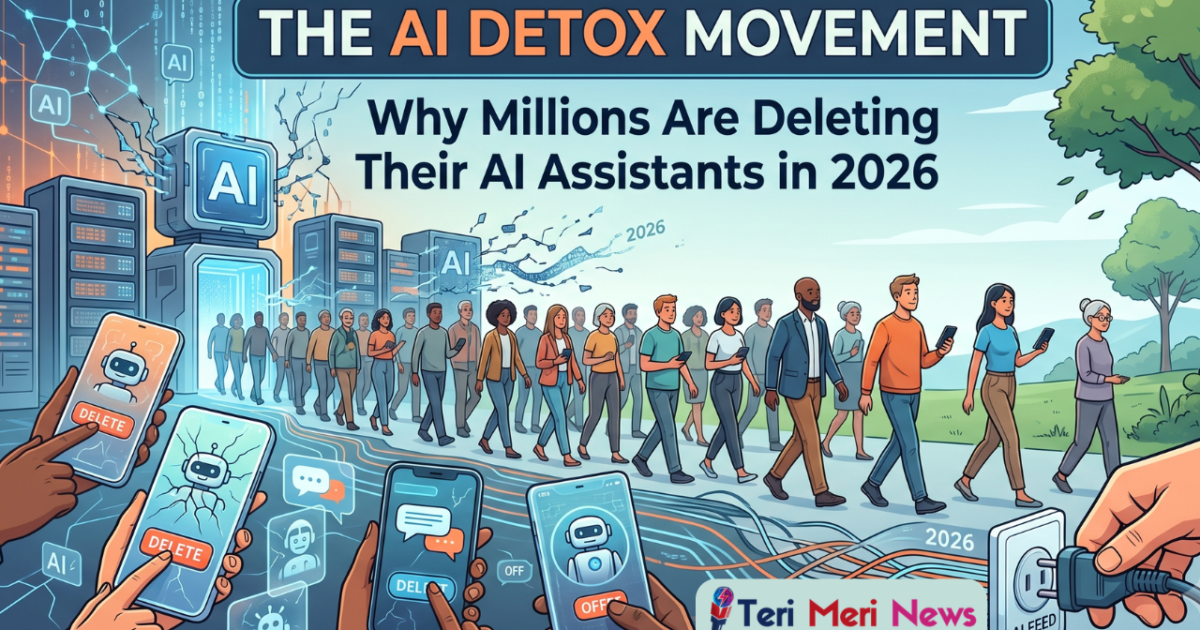
The AI Detox Movement has emerged as a significant cultural and social phenomenon in 2026, driven by increasing concerns about the pervasive role of artificial intelligence in everyday life. As technology continues to advance at a rapid pace, many individuals and communities are beginning to acknowledge the negative implications of excessive dependency on AI systems, particularly AI assistants. This recognition has led to a growing trend of individuals actively seeking to diminish their reliance on these digital tools, encouraging a lifestyle of digital minimalism.
At the heart of the AI Detox Movement is the concern over what has been termed “AI assistant fatigue.” This term reflects the feelings of overwhelm and exhaustion experienced by individuals who find themselves constantly engaged with AI-driven applications. As functionalities and capabilities of AI assistants have expanded, users have reported challenges in maintaining personal boundaries between their digital obligations and real-world interactions, prompting many to reconsider their relationship with these technologies.
Furthermore, the act of deleting AI agents is seen not merely as a technical choice, but rather as a vital step toward reclaiming autonomy and fostering human connections. The philosophy of digital minimalism, which advocates for a more intentional and deliberate use of technology, has gained momentum as individuals seek ways to prioritize mental well-being over convenience and efficiency. By advocating for reduced AI dependency, the movement encourages individuals to evaluate their habits and to make conscious decisions regarding their technology use.
As we delve deeper into the reasons behind the AI Detox Movement, it becomes clear that this trend signifies more than a mere backlash against technology. It reflects a fundamental shift in values, where individuals are reevaluating the role of AI in their lives and striving for a balanced existence amidst the conveniences that these innovations provide.
The Psychology Behind AI Dependency
The increasing reliance on AI assistants has raised substantial concerns regarding the psychology of dependency that develops within users. As technology continues to raise the bar for convenience, individuals often find themselves relying on AI for a broad spectrum of tasks, ranging from scheduling appointments to providing real-time information. This reliance is predominantly rooted in an innate human desire for efficiency and ease, which can lead to a psychological reliance on these digital tools.
One major concern stemming from this dependency is the potential diminishment of cognitive skills. When users frequently delegate their decision-making processes to AI systems, they may inadvertently neglect the development of critical thinking and problem-solving abilities. This phenomenon, often referred to as “AI assistant fatigue,” can result in an overreliance on technology to perform even the most trivial tasks. Consequently, individuals may begin to fear their own capacity to think independently, further deepening their dependency on AI.
Moreover, this reliance does not come without implications for mental health. The psychological toll that AI dependency can impose includes increased feelings of anxiety and inadequacy, particularly when individuals encounter productivity issues without the aid of their digital companions. The ability to withdraw from technology, a practice championed in the emerging trend of digital minimalism 2026, is consequently seen as a necessary step towards regaining one’s cognitive autonomy. Deleting AI agents from daily life may serve as a form of reclamation of personal agency, offering users a chance to reinvigorate their decision-making processes and establish a healthier relationship with technology. In conclusion, understanding the psychology behind AI dependency highlights the need for individuals to critically assess their interactions with technology, encouraging a conscious shift towards greater self-reliance.
User Testimonials: Real Stories from the AI Detox Journey
The AI detox movement has sparked a wave of testimonials from individuals driven to reduce their reliance on AI assistants, seeking a lifestyle more aligned with digital minimalism in 2026. Many users cite a profound sense of fatigue known as “AI assistant fatigue.” This phenomenon emerges from the overwhelming integration of AI into daily routines, where constant notifications and automated responses contribute to heightened stress levels.
For instance, Sarah, a 32-year-old marketing professional, shared her experience: “I found myself constantly asking my AI assistant for help with minor tasks, which felt convenient at first. However, I began to lose my ability to think independently, and this was harmful to my creativity. Ultimately, I decided to pursue a digital minimalism approach by deleting my AI agents, and the change was liberating.” Her story illustrates a broader trend of individuals rediscovering personal agency and self-reliance.
Similarly, Michael, a retired educator from a small town, expressed his regrets: “I utilized AI technology out of necessity; however, I became overly dependent on it for research and decision-making. After several weeks without my AI, I realized I had forgotten how to critically evaluate information. The journey of detoxing was challenging, but it encouraged me to engage in more meaningful, offline interactions.” Michael’s reflections emphasize the importance of human judgment and the dangers of AI dependency.
These narratives highlight a common motivation among many who are embarking on the AI detox journey. They seek to reestablish genuine connections, not only with others but also with themselves, steering their lives towards a more intentional and mindful existence devoid of relentless AI influence. The stories of these individuals serve as powerful reminders of the need for balance in our tech-driven world.
The Impact of AI on Human Decision-Making Skills
The rise of AI assistants has transformed how individuals approach decision-making in their daily lives. Research indicates a significant shift in the cognitive processes individuals employ when aided by these automated systems. With AI handling myriad routine choices, from scheduling to information retrieval, cognitive load appears to have diminished significantly. Studies reveal that reliance on digital minimalism practices can simultaneously lead to decreased cognitive engagement and lower critical thinking capabilities.
Experts express concern over the long-term implications of AI dependency, particularly as it pertains to critical thinking and problem-solving. Regular interactions with AI systems have led to a phenomenon known as “ai assistant fatigue,” where users become overly reliant on automated tools for information and decision-making, thus diminishing their inherent cognitive skills. As a result, individuals may find themselves less equipped to tackle challenges independently, leading to a potential erosion of crucial decision-making abilities over time.
Furthermore, the continual use of AI agents raises questions regarding the quality of human intuition and judgment. When algorithms guide most decisions, it’s possible that the nuance of human reasoning could suffer. As the 2026 digital minimalism movement gains traction, more people are realizing the necessity of creating boundaries with their AI systems. Deleting AI agents is a form of reclaiming autonomy and encouraging individuals to engage more in critical thinking. This intentional step might restore a balance between efficiency and cognitive health, ultimately benefiting decision-making skills.
Productivity Studies: The Effects of AI on Work Efficiency
The advent of AI technology has led many organizations to integrate AI assistants as a means to enhance productivity and work efficiency. However, recent productivity studies have revealed some alarming trends that indicate reliance on these AI tools may be counterproductive. These studies, which include both quantitative and qualitative research, suggest that while AI can streamline certain tasks, it may also contribute to what is now termed as “AI assistant fatigue.” This phenomenon is characterized by a decline in cognitive engagement and productivity when individuals become overly dependent on AI systems for decision-making and task execution.
In analyzing the work efficiency metrics with and without AI assistance, researchers found that employees who frequently used AI tools reported an initial boost in productivity. However, as time progressed, many reported feeling overwhelmed and disconnected from their work processes. This emerging sense of AI dependency indicates a need for a re-evaluation of productivity definitions in an increasingly digital workspace. In several cases, studies indicated that workgroups utilizing less AI intervention were not only more engaged but exhibited higher creativity and problem-solving capabilities.
Furthermore, the findings suggest that those who practiced digital minimalism in 2026, intentionally limiting their interaction with AI systems, achieved a more profound sense of engagement and intrinsic satisfaction with their work. The dichotomy between innovation through AI and the human need for meaningful work calls for a balanced approach, allowing professionals to harness the benefits of AI while mitigating its potential drawbacks. In light of these insights, organizations may need to reconsider the implementation of AI tools and the metrics used to gauge efficiency, fostering a more deliberate balance between human cognition and artificial assistance.
The Social Implications of an AI-Free Lifestyle
The emergence of the AI detox movement in 2026 has prompted many individuals to reconsider their relationship with technology. By stepping back from AI assistance and embracing a more digital minimalist lifestyle, people are noticing profound changes in their social interactions and relationships. In particular, the reduction of AI dependency allows individuals to engage in face-to-face communication, fostering stronger and more genuine connections.
Without the constant mediation of technology, individuals are rediscovering the value of direct human interaction. Conversations become richer and more meaningful when they are not interrupted by notifications or guided by the presence of AI assistants. This shift away from digital communication also encourages active listening and empathy, as individuals invest more time and energy into understanding one another without the distractions often posed by virtual interactions.
Furthermore, communities are beginning to re-establish connections through shared experiences. By focusing on traditional forms of communication, such as in-person gatherings and community events, people are developing a stronger sense of belonging and support. These interactions contribute to the formation of closer-knit communities where individuals can collaborate on local issues, share resources, and connect over common interests without relying on AI agents.
The social implications of an AI-free lifestyle extend beyond individual relationships. As people delete their AI agents and reduce their reliance on technology, they often report feeling a renewed sense of freedom and creativity. The absence of AI-driven suggestions allows individuals to pursue their interests and hobbies authentically, enabling them to cultivate passions that may have been overshadowed by the pervasive influence of technology.
As the AI detox movement grows, it becomes evident that opting for a more digitally minimalistic life can lead to enhanced social dynamics, fostering meaningful connections, and revitalizing community spirit.
Alternatives to AI Assistants: Tools for Autonomy and Efficiency
As the AI detox movement gains momentum, individuals are seeking viable alternatives to AI assistants that can help restore autonomy and enhance productivity. One effective strategy is adopting time management techniques that empower individuals to take control of their schedules and responsibilities. Techniques such as the Pomodoro Technique or time blocking allow users to allocate specific time slots for tasks, reducing distractions often associated with ai dependency.
Additionally, productivity applications that do not integrate AI features can serve as excellent alternatives. For example, tools like Trello and Asana facilitate project management through straightforward task tracking, allowing users to prioritize and organize their tasks efficiently. These platforms promote personal responsibility and independent decision-making while minimizing the overwhelm that might arise from constant AI suggestions.
Another approach to fostering autonomy includes developing personal decision-making skills through mindfulness practices. Engaging in activities such as journaling or reflective thinking exercises can help individuals clarify their thoughts and reduce reliance on AI-generated recommendations. By cultivating self-awareness and critical thinking abilities, users can effectively evaluate their choices without defaulting to ai assistants.
Physical planners and bullet journals also provide a tangible way to manage daily tasks and long-term goals. They encourage users to manually track their progress and reflect on their achievements, creating a sense of fulfillment that digital solutions often lack. This method of note-taking and planning reinforces a healthier relationship with technology and encourages users to actively participate in their own lives.
In conclusion, moving away from AI assistants does not mean sacrificing efficiency. By exploring alternative tools and implementing practical strategies, individuals can reclaim their autonomy, enhance productivity, and experience the benefits of digital minimalism in 2026.
Expert Opinions: Insights from Psychologists and Technologists
The ongoing trend of AI detox, particularly pronounced in 2026, reveals a growing concern regarding AI dependency and its impact on mental health. Psychologists have observed an increasing number of individuals experiencing symptoms akin to AI assistant fatigue—an emotional exhaustion resulting from over-reliance on digital aides for decision-making and daily tasks. Dr. Susan Watson, a clinical psychologist, notes that this fatigue can lead to diminished cognitive skills and an overall disengagement from the reality, as reliance on algorithms becomes a substitute for personal problem-solving and creative thinking.
Technologists echo these sentiments, emphasizing the need for a balance between digital assistance and human input. They argue that while AI can significantly enhance productivity, the escalating number of users choosing to delete AI agents speaks to an essential need for digital minimalism. According to tech analyst Mark Johnson, the 2026 trend of excising AI from personal and professional lives is a reaction to the overwhelming sense of being surveilled and controlled by technology. “Individuals are craving a return to agency, wanting to reclaim their lives from the grasp of ubiquitous AI systems,” he states.
Additionally, experts advocate for a reevaluation of user design in AI applications. They suggest that future technologies should be developed with user autonomy in mind, promoting features that allow for more conscientious and deliberate interaction with AI tools. As these professionals describe the AI detox phenomenon, it becomes evident that the conversation around deleting AI agents is not solely about the technology itself, but rather, about fostering healthier relationships with these systems and mitigating the effects of digital minimalism on mental well-being.
Conclusion: The Future of Human-Tech Relationships
The increasing movement towards AI detox in 2026 marks a significant shift in how individuals perceive their relationship with technology. As people become more aware of the negative implications of AI dependency, particularly through experiences such as AI assistant fatigue, many are taking steps to reclaim their autonomy from these digital influences. The trend towards digital minimalism emphasizes the need to evaluate personal technology use and the role AI plays in our daily lives.
Throughout this blog post, we’ve discussed the reasons behind the rise of the AI detox movement, where millions are actively deleting AI agents and opting for more mindful technology engagement. This phenomenon poses important questions about the sustainability of such a movement. While many are currently embracing a simplified digital life, it remains to be seen whether this trend will persist as technology continues to evolve and integrate into various aspects of our lives.
Looking ahead, it is essential to consider whether individuals will revert to their previous reliance on AI or whether this movement will usher in a lasting appreciation for human-centric modes of engagement with technology. As we navigate this evolving landscape, the balance between utilizing sophisticated AI tools and enjoying a more minimalistic approach to digital interactions will require careful consideration. The outcomes of the AI detox trend may lead to a redefined relationship with technology, one that prioritizes mental well-being and personal agency.
In conclusion, the future of our human-tech relationships hinges on our ability to navigate these complex dynamics responsibly. As we move forward, it will be crucial to embrace mindfulness in our tech interactions, ensuring that we harness the benefits of AI without sacrificing our personal connections and mental health.