
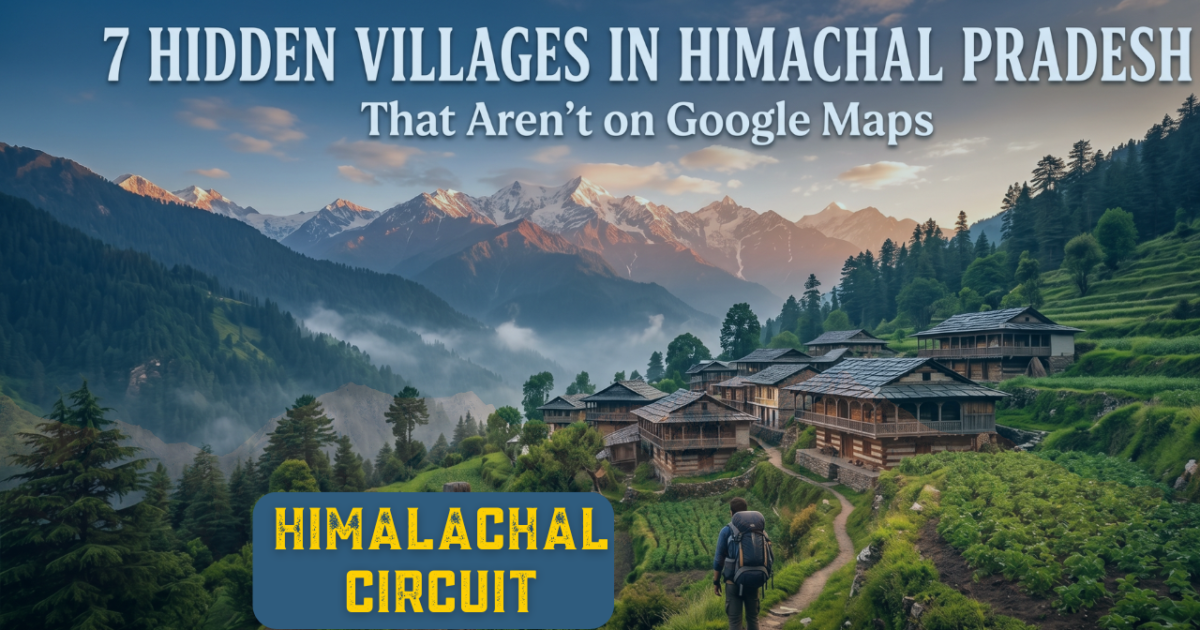
I Visited 7 Hidden Villages in Himachal Pradesh That Aren’t on Google Maps — Here’s What I Found
The mountains of Himachal Pradesh are full of famous tourist destinations. Places like Manali, Shimla, and Kasol attract millions of visitors every year. But beyond the crowded cafes and packed trekking routes lies another Himachal — one that remains invisible to most travelers.
This journey began with a simple question: What exists beyond the last marked road?
That curiosity led me into forests, valleys, and mountain paths where GPS signals disappeared and locals guided me using rivers, rocks, and stars instead of digital maps. What I discovered changed my understanding of travel forever.
Why Hidden Villages in Himachal Pradesh Are Gaining Attention
Modern travelers are no longer satisfied with overcrowded tourist spots. People now seek authentic experiences, untouched landscapes, and meaningful cultural exchanges. Hidden villages in Himachal Pradesh offer exactly that.
These villages are isolated because of:
- Difficult terrain
- Harsh winters
- Lack of road infrastructure
- Minimal internet connectivity
- Preservation of traditional lifestyles
Ironically, their remoteness is what makes them magical.
Unlike commercial tourist hubs, these villages still preserve centuries-old architecture, folklore, farming methods, and spiritual traditions.
The Mystery Behind Villages Missing From Digital Maps
It may sound unbelievable, but several settlements in remote Himalayan regions are either inaccurately mapped or completely absent from mainstream navigation systems.
In many areas:
- Roads are seasonal
- Landslides frequently alter routes
- Villages use local names unknown to outsiders
- Some communities intentionally avoid tourism exposure
Local shepherds and villagers often know routes better than any satellite system.
That’s exactly why this adventure became unforgettable.
My Journey Into the Unexplored Himalayas
Preparing for the Adventure
I packed lightly but carefully:
| Essential Item | Why It Was Important |
|---|---|
| Thermal clothing | Mountain nights became freezing |
| Power bank | Electricity was unavailable in some villages |
| Offline maps | Network disappeared quickly |
| Water purifier bottle | Streams became the main water source |
| Dry snacks | Shops were extremely rare |
I also carried notebooks because many villagers preferred storytelling over photography.
Traveling Without GPS
After crossing remote sections near Spiti Valley and upper Kinnaur regions, digital navigation became unreliable.
Directions sounded like this:
- “Turn where the old cedar tree bends.”
- “Follow the river until the prayer stones.”
- “Climb until you hear the waterfall.”
At first, it felt impossible.
Then it felt liberating.
Gharpatti: The Village Above the Clouds
Ancient Wooden Homes and Silent Valleys
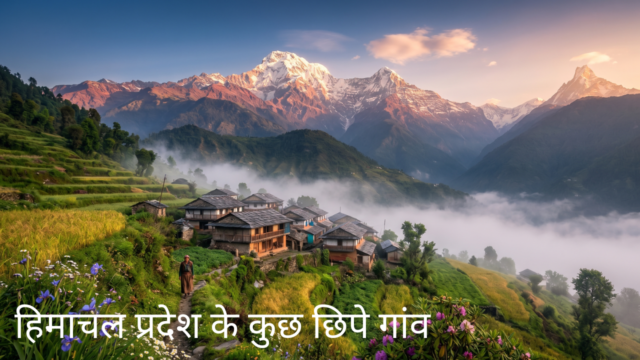
Gharpatti sat on a ridge hidden behind thick deodar forests. The village had barely 20 homes built entirely from wood and stone using traditional Himalayan techniques.


There were no hotels.
No restaurants.
No signboards.
Only silence broken by cowbells and mountain winds.
The villagers welcomed strangers with salted butter tea and stories passed down through generations.
Conversations With the Elders
One elder explained how their ancestors survived brutal winters before roads existed.
For six months every year:
- Snow blocked all exits
- Families stored dry vegetables
- Livestock stayed indoors
- Villagers depended entirely on one another
It was a reminder that survival here still depends on community, not convenience.
Shiltar: Himachal’s Forgotten Orchard Hamlet
Apple Farms Hidden in the Mountains
Shiltar was hidden deep inside orchard country. Terraced apple farms stretched across entire hillsides.


Unlike commercial apple belts, this village used old farming techniques:
- Natural fertilizers
- Glacier-fed irrigation
- Handpicked harvesting
The apples tasted sweeter than anything sold in cities.
A Festival No Tourist Has Seen
By pure luck, I arrived during a local harvest celebration.
There was:
- Folk dancing around bonfires
- Handmade woolen costumes
- Traditional drums echoing through valleys
- Rituals honoring mountain deities
No cameras.
No social media influencers.
Just genuine celebration.
It felt sacred.
Kandroli: The Secret Buddhist Settlement
Prayer Flags and Mountain Monasteries
Near the Indo-Tibetan mountain belt, I discovered Kandroli — a tiny Buddhist settlement hidden between cliffs.


Colorful prayer flags fluttered across narrow stone pathways. A monastery stood quietly above the village, surrounded by snow peaks.
Monks invited me to share simple meals of:
- Thukpa
- Roasted barley
- Butter tea
Life here moved slowly and peacefully.
Learning the Village’s Sacred Customs
The villagers followed traditions rarely seen elsewhere:
- No loud arguments after sunset
- Sacred mountain peaks were never climbed
- Forest sections were protected spiritually
Nature wasn’t viewed as property.
It was viewed as family.
Bhanoti: Where Time Stopped
No Internet, No Electricity, No Problem
Bhanoti completely changed my perspective on modern life.
The village had:
- No stable electricity
- No cellular network
- No digital entertainment
Yet the people seemed happier than many city dwellers.


Children played outdoors all day. Families gathered around firewood kitchens every evening.
Nobody looked distracted.
Nobody rushed.
The Simplicity of Mountain Living
Daily life followed natural rhythms:
| Activity | Time |
|---|---|
| Farming | Sunrise |
| Gathering firewood | Afternoon |
| Community meals | Evening |
| Storytelling | Night |
People slept early and woke with the mountains.
The simplicity felt strangely luxurious.
Churah Khas: The Hidden Valley Escape
Rivers, Pine Forests, and Isolated Trails
Churah Khas was perhaps the most beautiful hidden valley I encountered.
Crystal-clear rivers flowed beside dense pine forests, while tiny wooden bridges connected isolated homes.


The air smelled of pine and wet earth.
You could walk for hours without seeing another traveler.
Wildlife Encounters in the Wilderness
Locals warned me about wildlife movement after dark.
The forests nearby were home to:
- Himalayan foxes
- Black bears
- Musk deer
- Snow leopards in higher regions
At night, the mountains became mysterious and alive.
Thangi Beyond the Tourist Trail
The Last Road Before Tibet
Kinnaur hides many isolated settlements, but Thangi felt like the edge of civilization.
Roads became rough dirt tracks carved into cliffs.


The altitude made breathing difficult, yet locals carried heavy supplies effortlessly.
Survival in Harsh Himalayan Winters
Winter temperatures here can become brutal.
Families prepare by:
- Storing firewood for months
- Drying vegetables
- Insulating homes with mud and wool
- Keeping livestock sheltered indoors
These communities survive because they adapt to nature instead of fighting it.
Malana’s Lesser-Known Neighbor
A Village More Isolated Than Malana
Most travelers know Malana, but few explore the tiny neighboring settlements hidden deeper in the mountains.
One such village required:
- A six-hour uphill trek
- Crossing wooden bridges
- Walking through dense forests


The isolation preserved ancient customs rarely seen elsewhere.
Untold Stories of Ancient Traditions
Villagers believed their customs originated thousands of years ago.
Some traditions included:
- Strict community laws
- Sacred gathering rituals
- Unique dialects
- Wooden temple architecture
Outsiders were welcomed respectfully but expected to honor local rules.
And honestly, that respect mattered.
What These Hidden Villages Taught Me
This journey wasn’t just about discovering remote places.
It became a lesson about:
- Slowing down
- Living simply
- Respecting nature
- Valuing human connection
- Understanding cultural preservation
In cities, life often revolves around speed.
In these villages, life revolves around meaning.
Responsible Travel Tips for Exploring Remote Himachal
Respecting Local Culture
When visiting hidden Himalayan villages:
- Always ask before taking photos
- Dress modestly
- Avoid loud behavior
- Respect sacred spaces
- Support local families instead of exploitative tourism
Sustainable Mountain Tourism
The Himalayas are ecologically fragile.
Travel responsibly by:
- Carrying reusable bottles
- Avoiding plastic waste
- Staying on designated trails
- Hiring local guides
- Supporting homestays
You can learn more about sustainable Himalayan tourism through Himachal Pradesh Tourism Official Website
Best Time to Visit Hidden Villages in Himachal Pradesh
| Season | Experience |
|---|---|
| March–June | Pleasant weather and green valleys |
| July–August | Risk of landslides and heavy rain |
| September–October | Clear skies and vibrant landscapes |
| November–February | Heavy snowfall and blocked routes |
Autumn was personally my favorite because the mountains looked unbelievably golden.
Essential Packing Checklist
Before exploring hidden Himalayan villages, carry:
- Trekking shoes
- Warm clothing
- First-aid kit
- Flashlight
- Cash
- Offline navigation tools
- Energy snacks
- Rain protection
Preparation can make the difference between adventure and disaster.
FAQs
1. Are these hidden villages safe for travelers?
Yes, most remote Himachali villages are extremely peaceful and welcoming. However, travelers should remain cautious about weather conditions and difficult terrain.
2. Why are some villages missing from Google Maps?
Many remote Himalayan settlements lack updated mapping data due to terrain challenges, seasonal roads, or limited digital infrastructure.
3. Do I need a guide to visit hidden villages in Himachal Pradesh?
In many cases, yes. Local guides help with navigation, language barriers, and cultural understanding.
4. Which is the best hidden region in Himachal Pradesh?
Areas around upper Kinnaur, Pangi Valley, Churah Valley, and remote Spiti settlements offer incredible offbeat experiences.
5. Can beginners explore these remote villages?
Some villages are accessible to beginners, while others require trekking experience and physical fitness.
6. Is internet connectivity available in hidden Himalayan villages?
Connectivity is usually weak or completely unavailable in highly remote regions.