

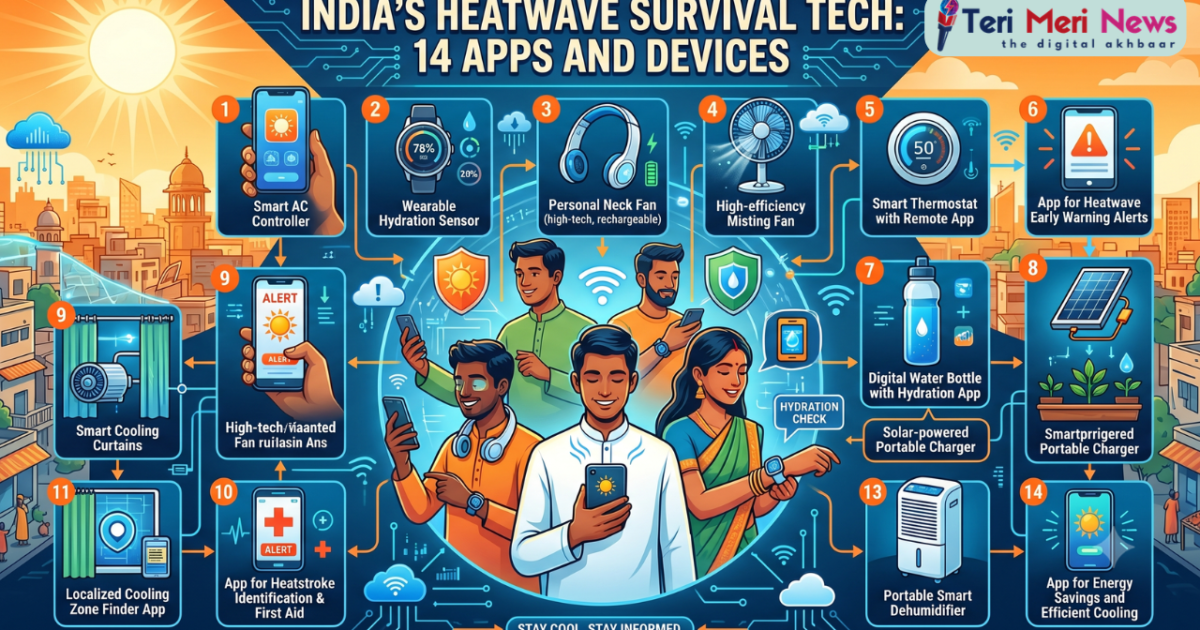

Introduction to India’s Heatwave Challenges
India has experienced a noticeable increase in the frequency and intensity of heatwaves over recent years, raising significant concerns regarding the health and well-being of its population. Notably, regions such as Rajasthan, Gujarat, and Madhya Pradesh often endure extreme temperatures that can exceed 45 degrees Celsius during peak summer months. According to the India Meteorological Department, the years 2021 and 2022 have recorded some of the hottest anomalies on record, with heatwaves affecting substantial portions of the country.
The impact of these soaring temperatures extends beyond mere discomfort; heat-related illnesses pose serious health risks. Studies indicate a substantial rise in heat-stroke cases, with vulnerable populations such as the elderly, children, and outdoor workers being disproportionately affected. Moreover, prolonged exposure to extreme heat can exacerbate pre-existing health conditions and lead to increased mortality rates. A report from the National Disaster Management Authority highlighted that heatwaves are one of the leading causes of climate-related deaths in India, emphasizing the urgency to address this public health crisis.
In addition to direct health implications, these extreme weather conditions also disrupt agriculture, lead to water shortages, and strain energy resources, creating a broader socio-economic impact. The worsening heatwaves have prompted the Indian government and various NGOs to seek innovative solutions to mitigate risks. Technological advancements, particularly in the form of apps and devices tailored to monitor weather conditions and promote heat safety, have emerged as essential tools in combating the adverse effects of heatwaves. The development of heatwave survival technology serves as a critical avenue through which individuals and communities can enhance their resilience and withstand the challenges posed by escalating temperatures.
The Role of Technology in Heatwave Survival
As the world faces increasingly severe heatwaves, technology has emerged as a pivotal tool in managing the effects of extreme temperatures. The development of numerous applications and devices aims to assist individuals in navigating the challenges associated with high heat conditions. With a focus on real-time information, health recommendations, and safety measures, these technological solutions are integral to ensuring safety and well-being during heatwaves.
Mobile applications have taken center stage, providing users with timely alerts about rising temperatures and heat index levels. By leveraging data from meteorological services, these apps empower individuals with essential knowledge regarding when to seek refuge from the heat, when to hydrate, and how to recognize symptoms of heat-related illnesses. Popular apps can also help users calculate their risk levels based on personal health factors and the environmental conditions they are exposed to.
Moreover, devices such as wearable technology and smart home systems have become increasingly prevalent during heatwaves. Wearables equipped with temperature sensors and fitness tracking capabilities enable users to monitor their body temperature and hydration levels closely. This information can be critical, especially among vulnerable populations such as the elderly and those with pre-existing health conditions. Smart thermostats can also adjust home environments to maintain optimal temperature ranges, reducing the impact of outside heat on indoor spaces.
Infrastructural innovations, such as reflective roofing materials and cooling pavements, also contribute to mitigating heatwave effects at a community level. Combined with mobile tech solutions, these advancements enhance overall safety and improve the quality of life during extreme heat events. Collectively, these technologies represent a comprehensive approach to heatwave survival, equipping individuals with the necessary tools to protect themselves and their families effectively.
Overview of Apps Developed for Heatwave Management
In recent years, the increasing frequency and severity of heatwaves in India have necessitated the development of innovative applications aimed at enhancing public safety and awareness. A variety of mobile applications have emerged, each designed with unique functionalities that assist users in navigating the intense heat conditions that can arise during these events. These applications play a crucial role in monitoring environmental conditions and promoting health and well-being during extreme temperatures.
One of the most significant functionalities offered by these heatwave management applications is heat index tracking. This feature allows users to monitor real-time data regarding temperature and humidity levels, presenting an accurate representation of how weather conditions feel versus the actual recorded temperature. By understanding the heat index, individuals can better prepare for outdoor activities and make informed decisions about their daily routines.
Another essential functionality is hydration reminders, which prompt users to maintain adequate fluid intake in response to rising temperatures. Dehydration poses a serious risk during heatwaves, and these reminders aim to mitigate potential health complications. Furthermore, many apps integrate features that provide alerts for extreme temperatures. These proactive notifications enable individuals to take preventive measures to protect themselves from heat-related illnesses.
The importance of these applications cannot be overstated, particularly in a country as diverse and populous as India. With varying climatic conditions, access to real-time weather updates, and personalized health suggestions, these tools serve as vital resources for promoting safety and awareness among the public. As heatwave events become increasingly common, the role of technology in managing the associated risks becomes ever more critical.
Top 14 Heatwave Survival Apps
As heatwaves become increasingly prevalent, utilizing technology can significantly enhance our preparedness and response. The following apps are designed to assist individuals in managing the challenges posed by extreme heat conditions. Each app is tailored for various needs, from real-time weather alerts to hydration reminders.
1. Weather Underground: This app offers hyper-local weather forecasts and heat alerts, providing users with information tailored to their precise location. Its user-friendly interface allows easy navigation for quick updates.
2. AccuWeather: Renowned for its accurate and detailed forecasts, AccuWeather features a dedicated health index for heat alerts, helping users stay informed about dangerously high temperatures.
3. National Weather Service App: The official app provides up-to-the-minute information on severe weather, including heat advisories. It encompasses alerts and safety tips directly from meteorological experts.
4. MyHeat: This app offers personalized heat advisories and suggested actions based on local temperature readings, ensuring users remain informed and prepared to manage heat-related risks effectively.
5. Netatmo Weather: This smart weather monitoring app connects to home stations for personalized climate data, including indoor and outdoor temperature readings, helping manage home environments effectively during heatwaves.
6. WaterMinder: Keeping hydration at the forefront, WaterMinder reminds users to drink water regularly during extreme heat, allowing for custom daily hydration goals to be set.
7. SunSmart: This app informs users of UV index levels and offers advice on sun safety, particularly essential during prolonged exposure to the sun in hot weather.
8. Heat Stress App: Designed for industrial settings, this app helps manage worker safety during high-temperature conditions, alerting users to heat stress risks based on environmental factors.
9. Chill Zone: Chill Zone collects weather data and suggests heat-relief centers such as local pools and air-conditioned spaces, promoting safe cool-down options during a heatwave.
10. Cool Down: This unique app provides users with personalized recommendations for cooling strategies, including suggested activities and locations to escape the heat.
11. WeatherBug: As a comprehensive weather app, WeatherBug alerts users to extreme heat conditions and offers advanced radar maps to track changing weather patterns.
12. Clime: NOAA Weather Radar: This app provides access to live radar imagery and severe weather alerts, assisting users in staying ahead of impending heat events.
13. HeatWave Tracker: Specifically designed to monitor prolonged heat events, this app offers real-time updates on temperature changes and safety recommendations.
14. Red Cross First Aid App: This essential app provides critical information on managing heat-related emergencies, offering first aid guidance for heat exhaustion and heat stroke.
These apps can support individuals and communities in navigating heatwaves effectively, enabling better decision-making and safety practices during extreme heat events.
Innovative Devices for Personal Cooling
As temperatures soar during heatwaves, innovative devices aimed at personal cooling have emerged as essential tools for comfort and safety. These devices are designed to provide immediate relief from extreme heat, allowing users to stay cool wherever they may be. Among the most prevalent solutions are portable fans, which vary in size and design, enabling users to carry them easily while outdoors or in confined spaces.
Portable fans come in various forms, such as handheld, clip-on, or even mini desk models, and they can be powered by batteries or USB. These fans are ideal for individual use and can significantly enhance well-being in oppressive heat conditions. Furthermore, many of these devices are engineered with adjustable speed settings, enabling users to customize airflow to their preference.
In addition to conventional fans, advances in wearable technology have led to the development of personal cooling devices that can be worn on the body. Items such as cooling vests, neck fans, and wristbands are designed to provide targeted relief. Cooling vests, for instance, often incorporate phase-change materials or evaporative cooling techniques that lower body temperature without the need for electrical power. This makes them particularly useful for people engaged in outdoor activities or those working in extreme heat environments.
For individuals seeking a more permanent solution, there are also personal air conditioners that can be transported easily. These compact devices work by cooling the air in their immediate vicinity and can be beneficial when one needs a quick respite from the heat. Some models even integrate air purification features to enhance air quality as they provide cooling.
Overall, these personal cooling devices not only help mitigate the discomfort of heatwaves but also promote safety, particularly for vulnerable populations. By investing in such innovative technology, individuals can not only enhance their comfort but also safeguard their health during extreme temperatures.
Case Studies: Successful Implementation of Heatwave Tech
In recent years, heatwaves in India have led to significant health risks and societal disruptions, prompting the development and implementation of various heatwave survival technologies. These innovations—ranging from mobile applications to climate-responsive building materials—have showcased the potential to better equip communities to handle extreme temperatures.
One notable example is the “Heat Stress App”, developed by the Indian Institute of Public Health in collaboration with local governments. This application actively provides real-time data on heat indices and personalized advice on protective measures during heatwave conditions. A pilot project in Rajasthan demonstrated a 30% reduction in heat-related health complaints among the users of the app compared to non-users. Feedback collected during this study highlighted the essential nature of timely notifications in prompting preventive actions, including hydration initiatives and heat hygiene practices.
Another significant case is the installation of reflective cool roofs in urban slum areas in Mumbai. This initiative was accompanied by a dedicated mobile interface that allowed residents to track roof temperatures and surface conditions. Since the implementation of these reflective materials, residents reported a marked decrease in indoor temperatures and better sleep quality. Furthermore, there was a 20% improvement in ambient health conditions, evidenced by lower incidences of heat exhaustion.
Community-led workshops during these programs further emphasized the importance of education and local engagement in utilizing these technologies. Participants learned about heatwave preparedness through hands-on demonstrations, which fostered a greater understanding of the apps and devices employed in managing heat stress. Such case studies exemplify successful outcomes stemming from technology integration, illustrating that informed, tech-enabled responses can significantly mitigate the impacts of severe heat on public health.
User Testimonials and Reviews
As temperatures soar during the summer months, many individuals in India are turning to technology to help them survive extreme heat conditions. Personal experiences shared by users of various heatwave survival applications and devices shed light on their practicality and effectiveness.
One user, Priya Sharma from Delhi, reported significant relief using the CoolTech App, stating, “The personalized alerts for high-temperature warnings have become crucial for my daily commute. I feel more secure knowing I can avoid heat-related health issues. The interface is user-friendly, which is a huge plus for someone like me who isn’t particularly tech-savvy.” Users appreciate such applications for their ability to provide localized weather forecasts alongside health tips.
Another user, Anil Kumar from Mumbai, expressed satisfaction with his Smart Hydration Bottle, which features a built-in reminder to drink water. He shared, “I often forget to stay hydrated during busy days. This device has helped me greatly. Its alerts are timely, and I’ve noticed a boost in my overall energy levels since I started using it. It’s essential during this heatwave, ensuring I stay hydrated and healthy.” This highlights how technology can integrate seamlessly into everyday life, encouraging better habits.
However, not all experiences have been positive. Ravi Mehta, who used a popular heat-resilient clothing brand, mentioned setbacks. “I expected more from the sweat-wicking capabilities advertised, but I found it less effective in extreme humidity. The concept is brilliant, yet practical execution falls short. I hope future iterations can improve on that,” he remarked. This demonstrates the ongoing evolution in heatwave survival technology and emphasizes the need for continual user feedback for enhancement.
User reviews indicate a mix of satisfaction and constructive criticism regarding various heatwave survival technologies. As this sector grows, staying attuned to user insights will be pivotal for future developments, ensuring those tools reach their full potential in safeguarding health during intense heat events.
Future Trends in Heatwave Survival Tech
The relentless rise in global temperatures, particularly in regions like India, necessitates the evolution of heatwave survival technology. Various sectors are investing in innovative solutions that are expected to shape the future landscape of heat management. One significant trend is the integration of artificial intelligence (AI) into heatwave survival tech. AI algorithms can analyze large volumes of data, improving predictive capabilities for extreme heat events. By leveraging historical data and real-time climate patterns, these systems can offer timely alerts and personalized recommendations to individuals and communities, enhancing preparedness and response strategies.
Additionally, advancements in data analytics are expected to play a pivotal role in accurately predicting heatwaves. Enhanced analytical tools can process meteorological data and socio-economic factors to forecast not just when a heatwave might occur, but also its potential impact on vulnerable populations. Such insights can allow for better resource allocation, ensuring that aid reaches those most affected during critical times.
Emerging devices are also set to redefine how people interact with their environment during extreme heat conditions. For instance, portable cooling devices and smart clothing equipped with temperature-regulating fabrics promise to provide personal comfort in distressing conditions. Furthermore, local governments may utilize sensor-driven technology to monitor urban heat islands, assisting them in implementing urban planning strategies that reduce heat retention in cities.
As the fight against extreme heat evolves, integrating these technologies will be paramount. Combining AI, advanced data analytics, and innovative devices will not only enhance individual resilience but will also collectively contribute to a robust societal response to heatwaves. In conclusion, staying attuned to these trends will empower stakeholders at all levels—from individuals to government bodies—to better navigate the challenges posed by increasingly frequent and intense heat events.
Conclusion: Embracing Technology for a Safer Future
As India continues to grapple with the severe impacts of heatwaves, embracing technology has become an essential strategy for safeguarding public health and well-being. The proliferation of innovative apps and devices designed to monitor temperature, provide alerts, and offer guidance on staying safe in extreme heat can significantly mitigate the adverse effects of rising temperatures. These technological advancements empower individuals and communities to remain informed, proactive, and resilient in the face of climate challenges.
By utilizing tools that offer real-time data and personalized recommendations, users can make informed decisions regarding their daily activities during heatwaves. These applications not only assist in tracking weather patterns but also equip users with essential information about hydration, sun protection, and heat stress symptoms, transforming how people adapt to extreme weather conditions.
Moreover, the collaborative effort between technology developers, environmental scientists, and local organizations will enhance the effectiveness of these resources. Continued innovation is paramount; it ensures that solutions evolve to meet the ever-changing climate landscape. It is crucial that both individuals and communities actively engage with these technologies, as their participation can amplify the impact of such initiatives. By fostering a culture of awareness and adaptability, society can create a more resilient framework against future heatwaves.
In summary, the challenges posed by increasing temperatures require a unified approach that marries innovation with community involvement. Embracing technology serves not only to safeguard lives but also to promote a healthier, more sustainable future. By leveraging available resources and remaining vigilant, India can face the pressing issue of heatwaves head-on, ensuring the safety and welfare of its population.